Why Families Trust Simcoe Family Dentistry for Mouthguards and Preventive Care
Trust in a dental practice is rarely built in one visit. It grows over time, often in ordinary moments that matter more than people expect. A child comes in nervous about a first sports mouthguard and leaves proud to wear it. A parent mentions morning jaw soreness and finally gets an answer that explains the headaches, the worn teeth, and the interrupted sleep. A grandparent who thought preventive care was only about cleanings learns that small changes now can help avoid larger procedures later.
That is how long term dental relationships are formed, and it is one reason families place such a high value on consistent, practical care. At Simcoe Family Dentistry, mouthguards and preventive care are not treated as side topics or add-on services. They are part of a wider philosophy, one that looks at how people actually live, how habits affect oral health, and how early action often saves discomfort, time, and expense down the road.
For many households, preventive dentistry becomes most real when there is something immediate at stake. A child is joining hockey. A teenager has braces and plays basketball. A parent is clenching through work stress. Someone wakes with a cracked molar after months of nighttime grinding. Those are not abstract concerns. They are personal, disruptive, and often preventable. Families want a dentist in Simcoe Ontario who can explain the difference between a generic solution and one designed for their mouth, their risk level, and their daily routine.
Prevention feels simple, but it is rarely one-size-fits-all
Preventive care is often reduced to a short list of familiar ideas: brush, floss, avoid too much sugar, come in for regular checkups. All of that matters. Still, the best prevention is more nuanced than a slogan. It takes judgment.
A child with deep grooves in the molars may need closer monitoring for early decay even when brushing habits are good. An adult with recession along the gumline may need a softer brushing technique, not more force. A patient who has invested in dental implants Ontario residents often rely on for function and confidence needs a tailored maintenance plan that protects both the implant and the surrounding tissue. Someone searching online for tooth extraction near me may already be at the point where a preventable issue has turned urgent, usually because pain was ignored, subtle symptoms were misunderstood, or life simply got busy.
Good preventive care recognizes those realities without blame. It meets people where they are. That is part of what families respond to. They do not want lectures. They want clear guidance, honest timelines, and care that fits real schedules and budgets.
In practice, preventive dentistry means watching patterns, not just isolated teeth. A clinician pays attention to bite changes, clenching habits, wear facets, gum inflammation, restorations that are beginning to fail, and the small signs that tell a bigger story. When that approach is done well, patients feel looked after rather than processed.
Why mouthguards deserve more attention than they usually get
Mouthguards are easy to underestimate until you see the damage that can happen without one. In sports, a single impact can chip a front tooth, loosen multiple teeth, split the lip, or cause jaw injury. At night, untreated grinding can flatten enamel, strain the jaw joints, create sensitivity, and shorten the life of fillings and crowns. The appliance itself may seem simple. The problem it prevents is not.
This is why custom mouthguards remain one of the most practical preventive tools in dentistry. Store bought options have a place, especially when cost or urgency is a factor, but they often fit poorly. When a guard is bulky, unstable, or hard to breathe through, people stop wearing it. For an athlete, that can mean taking it out mid game. For a nighttime grinder, it may end up forgotten in a bathroom drawer after three nights.
Custom mouthguards are different because they are built around the patient’s actual bite. That matters for comfort, retention, and function. A well made sports guard should protect while still allowing speech and breathing. A nightguard should distribute pressure appropriately and account for the patient’s clenching or grinding pattern, jaw alignment, and existing dental work.
Families notice the difference quickly. A teenager is far more likely to wear a mouthguard that does not feel like a rubber block. An adult who has cracked a filling from grinding will value a guard that fits well enough to become routine. Compliance is not a small detail in prevention. It is the whole game.
The family perspective changes how care is delivered
When a practice sees multiple generations, patterns become easier to spot. The same family may share bite characteristics, enamel tendencies, orthodontic history, or a habit of postponing care until discomfort forces the issue. Over time, a dental team learns not only the charts, but the people behind them.
That familiarity often leads to better preventive decisions. A child athlete can be fitted for a sports mouthguard with advice that takes into account school activities, growth, and whether orthodontic treatment is planned. A parent with old dental work can be monitored for signs of grinding while managing stress related jaw tension. An older adult can receive preventive guidance that factors in dry mouth, medication effects, gum recession, and the wear that accumulates over decades.
This family centered approach also changes communication. Parents want to know whether a child really needs a mouthguard for a particular sport. Adults want straight answers about whether their jaw pain is likely from clenching, sleep habits, or something more complex. Seniors often want to preserve function and avoid major interventions if possible. The right dentist in Simcoe Ontario understands that preventive care works best when explanations are specific and practical, not generic.
What families tend to appreciate about custom mouthguards
Most people judge a mouthguard by whether it is comfortable enough to keep using. Dentists tend to judge it by that, plus whether it is doing its job.
A custom sports mouthguard cushions impact more reliably because it stays in place. That improves protection for the teeth, but also for soft tissues and, to a degree, the jaw. It is not magic and it does not prevent every injury, yet it materially lowers the risk of the dental trauma that often leads to emergency visits, fractured teeth, and expensive repair.
Nightguards involve even more judgment. Not every person with grinding needs the same type. Some patients clench heavily but do not show significant side to side wear. Others grind aggressively and need a different material or design. A guard that is too soft may invite chewing in some cases. One that is too rigid may not be tolerated by everyone. Fit, thickness, and bite balance all matter. That is where professional evaluation makes the difference between an appliance that helps and one that becomes another failed attempt.
Families also appreciate the less visible benefit, preservation. Protecting natural teeth, fillings, crowns, veneers, and implant supported restorations often costs far less than replacing what repeated force can damage. If someone has already invested in dental implants Ontario providers restore after tooth loss, protecting that investment becomes part of sensible maintenance.
Preventive care is often about timing, not perfection
One of the quiet strengths of a preventive practice is knowing when to act and when to watch. Dentistry is full of gray areas. A small wear mark may only need monitoring if the bite is stable and symptoms are absent. Early gum inflammation may improve dramatically with a hygiene adjustment and a shorter recall interval. A teenager with occasional clenching during exam season may not need the same intervention as an adult who has already fractured enamel.
This kind of judgment builds trust because it shows restraint. Patients can tell when recommendations are grounded in clinical need instead of habit. They want a dentist who can say, “This does not need treatment today, but it does need attention,” and explain why. They also want the same clarity when the answer is more urgent.
That distinction matters especially when people arrive after searching tooth extraction near me because something has gone wrong. By the time a tooth is causing severe pain, swelling, or structural failure, the ideal window for prevention may have passed. Still, even in those situations, preventive thinking remains important. The conversation shifts to how to avoid a repeat, how to protect adjacent teeth, and what restoration or maintenance choices will support long term oral health.
Mouthguards for kids and teens, where prevention is visible
Children and teenagers make the case for prevention better than any brochure can. The risks are easy to see. Sports schedules are busy. Coordination is still developing. Contact and collision are part of many games, but so are accidental elbows, sticks, falls, and awkward impacts in sports that are not always labeled high risk.
Parents often ask whether a mouthguard is really necessary for activities like basketball, soccer, baseball, skateboarding, martial arts, or gymnastics. The practical answer is yes, because many dental injuries happen outside the classic collision sports. The front teeth are exposed, and children do not get a second set after the permanent teeth come in.
A good pediatric or teen mouthguard discussion usually covers a few real world points:
- Growth and orthodontic changes can affect fit, so periodic reassessment matters.
- Braces increase the risk of soft tissue injury during impact, making proper protection even more valuable.
- If a child says a mouthguard is hard to breathe through, that is often a fit problem, not a motivation problem.
- Replacement is normal when teeth erupt, shift, or the appliance shows wear.
- Habits form early, and kids who get used to wearing protection tend to resist it less over time.
That last point is worth emphasizing. Prevention works best when it becomes ordinary. The child who automatically grabs a helmet and mouthguard before heading to practice is far less likely to become the emergency patient with a fractured incisor on a weekend.
Adults often discover they need a mouthguard for different reasons
For adults, the need for a mouthguard usually emerges more gradually. It may start with morning tension in the temples, sensitivity on cold foods, a chipped edge on a front tooth, or a spouse mentioning grinding sounds during sleep. Sometimes the signs show up first on routine examination: flattened chewing surfaces, tiny craze lines, notching near the gumline, tenderness in the jaw muscles, or repeated breakage of restorations.
Stress is a common factor, but it is not the only one. Bite relationships, sleep issues, medications, and even exercise habits can play a role. Some people clench during workdays at a computer and grind more at night without realizing either pattern is happening. Others do not have pain at all, just progressive wear that becomes obvious over time.
This is where patient education matters. Many adults assume that if they are not in severe pain, the issue can wait. That is understandable, but it can be costly. Teeth can tolerate a surprising amount of force until they suddenly do not. A single cracked tooth can lead to root canal treatment, a crown, or extraction depending on the depth and location of the fracture. The humble nightguard often prevents exactly that chain of events.
The value of continuity when treatment decisions become larger
Families trust preventive focused practices in part because prevention and treatment are connected. A dental office that knows your history is in a better position to guide you when something shifts from maintenance to intervention.
Consider the patient who has worn through enamel for years, eventually cracks a molar, and needs a decision about restoration. If the tooth can be saved, a crown may follow, along with a revised nightguard to protect it. If the tooth cannot be predictably restored, extraction may be discussed. That is the moment many patients search terms like tooth extraction near me, often while uncomfortable and short on time. Yet the best experience usually comes from seeing a team already familiar with the bite, the radiographs, the wear history, and the patient’s preferences.
The same continuity helps when replacing missing teeth. People researching dental implants Ontario options are usually balancing function, appearance, healing time, and budget. If they are also grinders, that history affects planning. Implant restorations are durable, but they still need protection from excessive forces. Preventive care does not end after treatment is completed. If anything, it becomes more important.
Cleanings and exams matter more when they are personalized
Routine visits are the backbone of preventive care, but their value depends on what happens during them. A cleaning is not just plaque removal. An exam is not just a glance and a reminder to floss. The strongest preventive appointments are individualized.
For one patient, the focus may be on reducing cavity risk through fluoride use, dietary timing, and sealant evaluation. For another, it may be tracking gum pocket changes and adjusting hygiene intervals before a mild problem becomes periodontal disease. For an athlete, it may be checking whether a mouthguard still fits after orthodontic movement or recent growth. For a grinder, it may be reviewing wear patterns and deciding whether the current guard is holding up.

This level of personalization is one reason families return to Simcoe Family Dentistry. They feel the difference between care that follows a script and care that responds to what is actually happening in their mouths. A parent wants to know why one child needs closer monitoring than another. An adult wants to understand whether a cracked filling is bad luck or a sign of a broader bite issue. Trust grows when those questions are answered with specifics.
What patients can do between visits
Prevention is most effective when it continues at home, but home care works best when the advice is realistic. People are more likely to follow guidance they can sustain than instructions that sound ideal but collapse after a week.
A short, practical home routine often includes these habits:
- Wear the prescribed mouthguard consistently, not just when symptoms flare or games feel high stakes.
- Store it properly, clean it gently, and bring it to appointments so fit and wear can be checked.
- Report early signs such as jaw soreness, chipped edges, new sensitivity, or headaches on waking.
- Keep recall visits even when nothing hurts, because wear and early decay often progress quietly.
- Ask questions when advice is unclear, especially if life changes affect routines, sports, or stress levels.
None of that is glamorous, and https://www.malodentistry.com/services/fillings-repairs/ that is exactly the point. Prevention succeeds through consistency far more often than through dramatic intervention.
Why trust often comes down to small experiences
Families rarely say they trust a dental office because of one technical detail. More often, they trust because the office notices things before they become crises. Because a child is spoken to with patience rather than rushed through the appointment. Because an adult with obvious grinding is given a thoughtful explanation, not just a device. Because the team remembers that the last sports season changed, the last crown fractured, the last mouthguard felt too tight, or the last cleaning revealed an area worth watching.
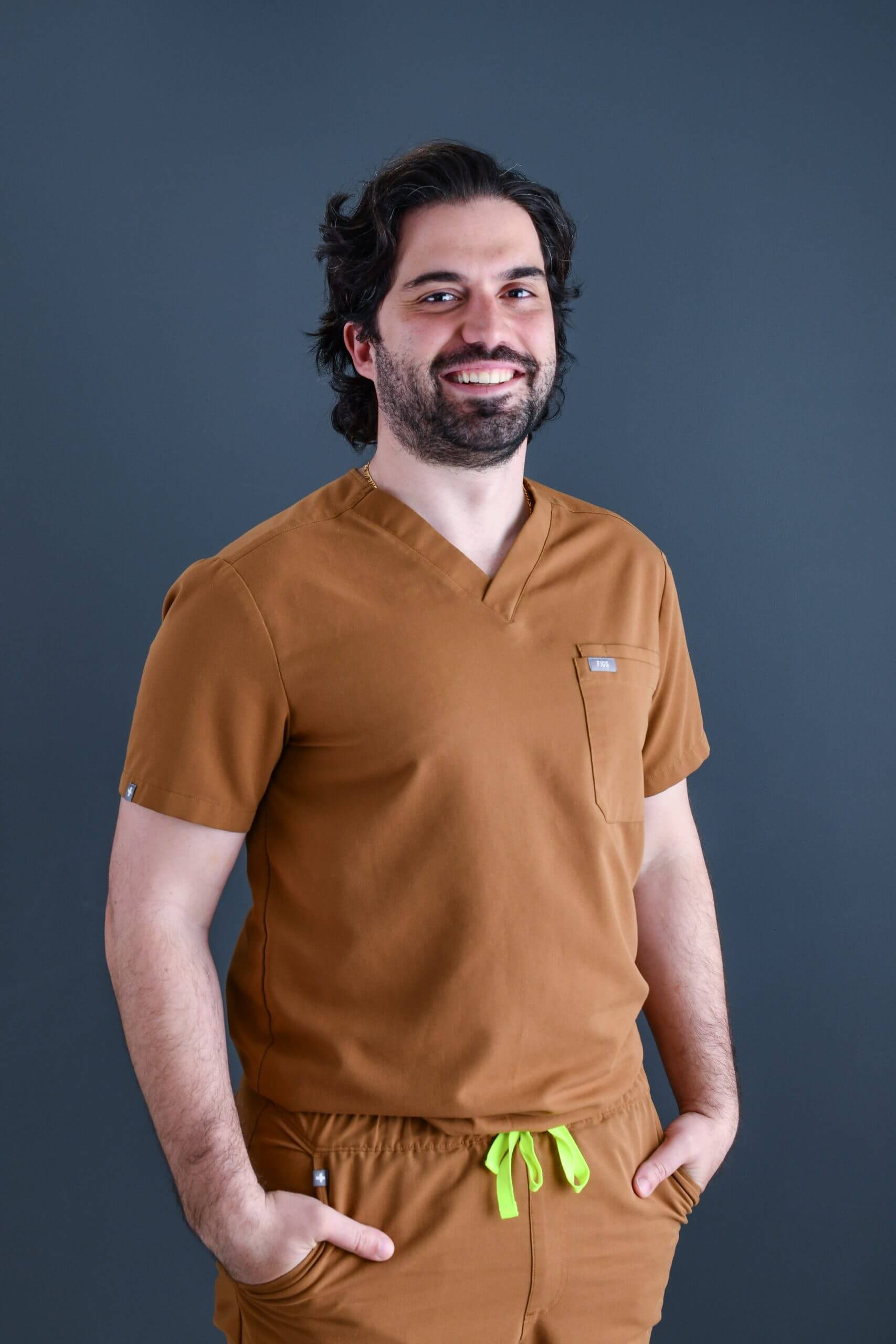
Those moments create confidence. They tell patients that the practice is paying attention.
That is particularly important with services like mouthguards, where value is measured in the problems that never happen. No one takes a photo to celebrate the tooth that did not break during a game, or the molar that did not crack after a stressful year of clenching. Yet those avoided emergencies are often the clearest proof that prevention works.
For families in need of a dependable dentist in Simcoe Ontario, that kind of care is compelling because it aligns with how people actually want to manage health. They want fewer surprises. They want practical protection. They want honest recommendations that fit the season of life they are in, whether that means a child starting sports, a working parent managing stress, or an older adult preserving years of dental work.
Mouthguards are a strong example of that philosophy in action. They are simple, specific, and effective when chosen well and worn consistently. Combined with regular exams, hygiene care, monitoring, and timely treatment when needed, they become part of a broader preventive strategy that serves the entire family.
That is why trust in this setting is not just about a product or a procedure. It is about confidence that someone is thinking ahead on your behalf, noticing the details, and helping you avoid the kind of dental problems that are far harder to fix than to prevent. For many families, that is exactly what makes Simcoe Family Dentistry feel like the right long term home for care.
Malo Family Dentistry — Business Info (NAP)
Name: Malo Family DentistryAddress: 100 Colborne St N, Simcoe, ON N3Y 3V1
Phone: +1-519-426-8155
Website: https://www.malodentistry.com/
Hours:
Monday: 7:30 AM – 12:00 PM; 1:00 PM – 5:00 PM
Tuesday: 7:30 AM – 12:00 PM; 1:00 PM – 5:00 PM
Wednesday: 7:30 AM – 12:00 PM; 1:00 PM – 5:00 PM
Thursday: 7:30 AM – 12:00 PM; 1:00 PM – 5:00 PM
Friday: 7:30 AM – 1:00 PM
Saturday: Closed
Sunday: Closed
Service Area: Simcoe, Ontario and Norfolk County
Open-location code (Plus Code): RMQV+G2 Simcoe, Norfolk, ON
Map/listing URL: https://maps.app.goo.gl/VBZ3Ygx4hjxW2vrf9
Embed iframe:
Socials (canonical https URLs):
Facebook: https://www.facebook.com/malodentistry/
https://www.malodentistry.com/
Malo Family Dentistry provides dental services for patients in Simcoe, Ontario and Norfolk County.
The clinic offers preventive care, cleanings, fillings, extractions, dental repairs, cosmetic dental work, dentures, mouthguards, and related dental services.
Patients can contact Malo Family Dentistry by calling +1-519-426-8155.
Hours listed are Monday to Thursday 7:30 AM–12:00 PM and 1:00 PM–5:00 PM, Friday 7:30 AM–1:00 PM, with Saturday and Sunday closed.
Malo Family Dentistry serves patients from Simcoe and surrounding Norfolk County communities.
For directions and listing details, use the map listing: https://maps.app.goo.gl/VBZ3Ygx4hjxW2vrf9
Popular Questions About Malo Family Dentistry
What dental services does Malo Family Dentistry provide?Malo Family Dentistry provides dental services including preventive care, cleanings, fillings, extractions, dental repairs, cosmetic dental work, dentures, mouthguards, and related care.
Where does Malo Family Dentistry serve patients?
Malo Family Dentistry serves Simcoe, Ontario and surrounding Norfolk County communities.
What are Malo Family Dentistry’s hours?
Monday–Thursday: 7:30 AM–12:00 PM and 1:00 PM–5:00 PM; Friday: 7:30 AM–1:00 PM; Saturday and Sunday closed.
Does Malo Family Dentistry list an email address?
No email address was provided. Contact the clinic by phone or through the website.
How can I contact Malo Family Dentistry?
Phone: +1-519-426-8155
Website: https://www.malodentistry.com/
Map: https://maps.app.goo.gl/VBZ3Ygx4hjxW2vrf9
Facebook: https://www.facebook.com/malodentistry/
Landmarks Near Simcoe, ON and Norfolk County
1) Norfolk County Fairgrounds2) Simcoe Recreation Centre
3) Downtown Simcoe
4) Norfolk Arts Centre
5) Port Dover Beach
6) Turkey Point Provincial Park
7) Long Point Provincial Park