Tooth Fillings Near Me and Other Everyday Dental Treatments in Simcoe
When people search for tooth fillings near me, they are usually not looking for abstract dental advice. They want relief, a clear next step, and a local office that can handle a very common problem without turning it into an ordeal. The same goes for searches like teeth cleaning near me or dentist in Simcoe Ontario. Most patients are not chasing cosmetic perfection. They are trying to keep their teeth comfortable, functional, and healthy enough to get through work, family meals, coffee, and everything else that fills a normal week.
That practical side of dentistry does not get enough attention. In real life, most dental appointments are not dramatic. They are routine, preventive, and often far easier than patients expect. A small cavity gets repaired before it grows. A cleaning removes hardened buildup that a toothbrush cannot touch. A sensitive tooth gets evaluated before it becomes an emergency. These everyday treatments are the backbone of good oral health, and they matter even more in a community where patients often juggle work schedules, school pick-ups, sports, and long to-do lists before they book themselves a visit.
For anyone looking at dentists in Simcoe Ontario, it helps to understand what these common treatments involve, what they are meant to prevent, and when delaying care starts to cost more than the appointment itself.
Why fillings are so common, and why early treatment matters
Fillings are among the most frequent procedures in general dentistry because cavities are common, even in people who brush every day. A toothbrush and floss can do a lot, but they are not perfect. Plaque tends to collect in grooves on the chewing surfaces of molars, between teeth, and around older dental work. Over time, bacteria feed on sugars and starches, producing acids that soften enamel. Once that weakened spot becomes a cavity, the tooth will not rebuild itself on its own.
That is the part many people do not realize. Early enamel damage can sometimes be monitored or managed with fluoride and better home care if it has not yet formed a true cavity. Once there is an actual hole or softened area in the tooth structure, the damaged portion usually needs to be removed and restored. That is where a filling comes in.
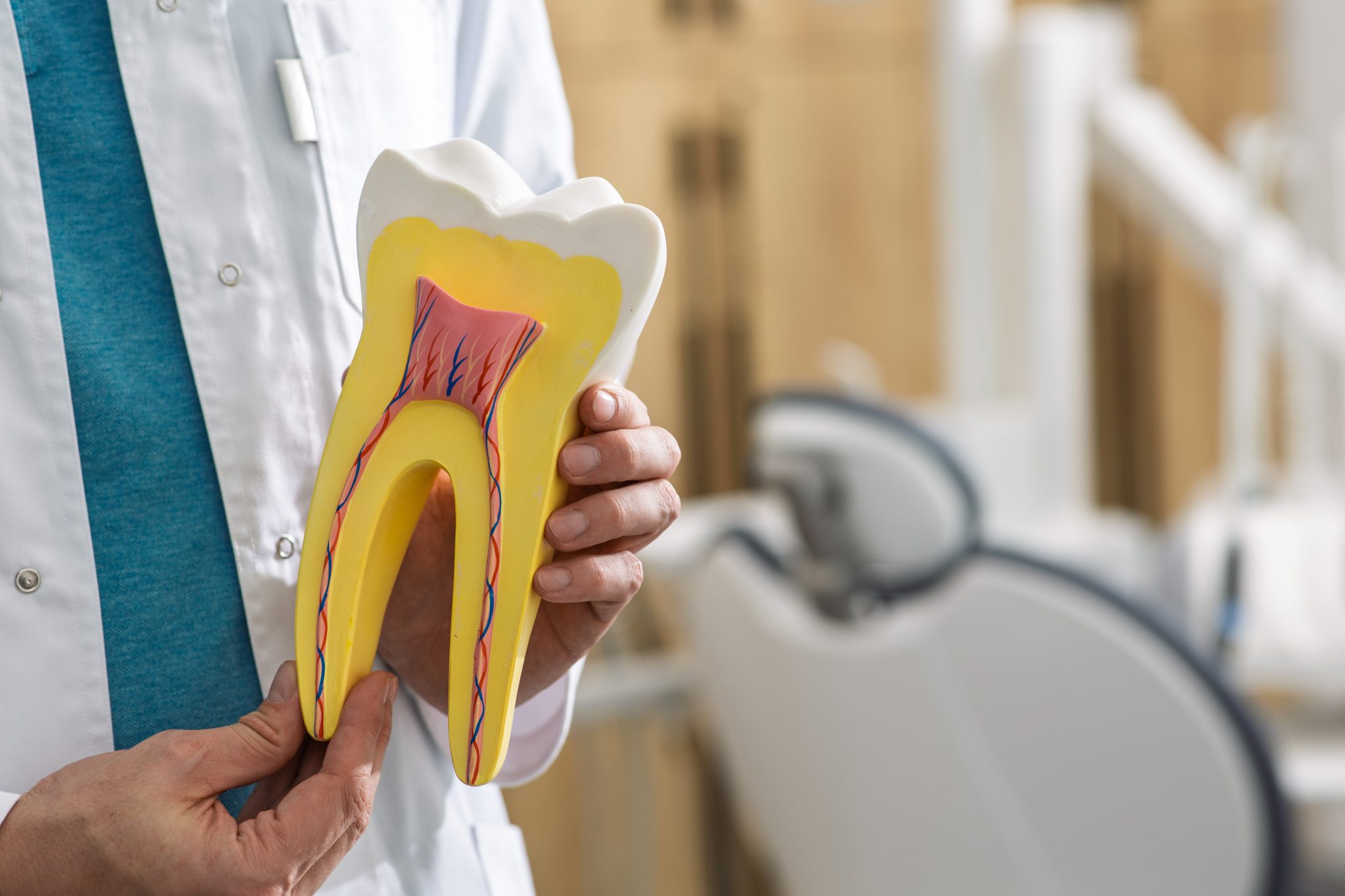
A small filling is straightforward. A larger cavity, especially one ignored for months or years, becomes more complicated. What might have been a short appointment can turn into a bigger restoration, a crown, or root canal therapy if the decay reaches the nerve. In day-to-day practice, this is one of the clearest examples of how preventive care saves time, money, and discomfort.
Patients often assume they will definitely feel a cavity. Some do, but many do not. Decay can develop quietly between teeth or under an old filling with very few obvious symptoms. It is common for someone to come in searching for teeth cleaning near me and leave having learned that a back tooth needs repair, even though it was not hurting yet.
What a tooth filling appointment usually feels like
The phrase “getting a filling” tends to carry a lot of baggage from old stories and bad memories. In modern practice, the experience is usually much calmer than patients expect. The appointment begins with an exam and often an X-ray if the area cannot be fully assessed by sight alone. If a cavity is confirmed, the tooth is numbed, the decayed portion is removed, and the cleaned space is filled with a restorative material, commonly tooth-colored composite.
Composite fillings are popular because they blend in well and bond directly to the tooth. They are especially useful for visible areas, though they are also widely used in back teeth. In some cases, another material may still be appropriate depending on the location, moisture control, bite pressure, and the size of the repair.
Most people feel pressure and vibration during the appointment rather than sharp pain. Afterward, the tooth may feel a bit tender when biting for a few days, especially if the cavity was deep or close to the nerve. That does not automatically mean something is wrong. What matters is whether the sensitivity steadily improves. If the bite feels high, meaning the filling contacts first when you close, a minor adjustment often solves it quickly.
A good simcoe dentist will also pay attention to the practical side of the visit, not just the tooth itself. That means asking about dental anxiety, checking that the bite feels natural before you leave, and giving realistic aftercare advice rather than vague reassurance.
Signs a tooth may need more than home care
Not every toothache means a cavity, and not every cavity aches, but certain patterns should not be brushed off. If you are deciding whether it is time to search for tooth fillings near me, these symptoms deserve attention:
- Pain when chewing, especially if it happens in the same spot repeatedly
- Sensitivity to sweets, cold drinks, or cold air that lingers
- A rough edge, visible dark spot, or small hole in a tooth
- Food getting trapped in one area more than usual
- A filling that feels loose, cracked, or suddenly different
Even then, diagnosis is not always simple. A cracked tooth can mimic cavity pain. Gum recession can make cold sensitivity feel intense without decay being present. Sinus pressure can even create upper tooth discomfort. That is one reason self-diagnosis often leads people astray. The symptom matters, but the cause still has to be confirmed.
Cleanings do more than make teeth look better
Searches for teeth cleaning near me usually begin with the idea of freshening breath or removing surface stain, and those are worthwhile goals. But professional cleanings do much more than polish the visible parts of teeth.
The main purpose is to remove plaque and calculus, also called tartar, especially in areas where daily brushing and flossing cannot fully keep up. Once plaque hardens into calculus, it cannot be removed effectively at home. It tends to collect near the gumline and between teeth, where it irritates the gums and creates a rough surface that attracts even more buildup.
That process is what pushes mild gingivitis toward more serious gum disease. Gums may bleed a little, feel puffy, or look darker red than usual long before there is major pain. A professional cleaning interrupts that cycle. It reduces bacterial load, allows the gums to heal, and gives the dental team a chance to spot problems while they are still manageable.
There is also a simple practical reality here. Patients who attend regular cleanings often need fewer large repairs over time. That is not because cleanings magically prevent everything. It is because they create repeat opportunities to catch worn fillings, new decay, gum changes, clenching damage, and hygiene issues before they turn into expensive treatment plans.
What happens during a routine hygiene visit
A standard hygiene appointment in a general practice often includes updated medical history, gum measurements when needed, scaling to remove plaque and calculus, polishing, and an exam by the dentist. X-rays may be taken based on timing, risk level, and symptoms. Some patients also receive fluoride treatment, especially if they are cavity-prone, have dry mouth, or show early signs of enamel weakening.
The cleaning itself is not identical for everyone. A person with light buildup and healthy gums may have a relatively quick visit. Another patient who has gone several years between appointments, or who has significant tartar behind the lower front teeth and around molars, may need a more involved cleaning. Some need periodontal maintenance rather than a basic polishing appointment, especially if gum disease has already been diagnosed.
This is where expectations matter. A dental cleaning is not meant to be a spa service or a cosmetic shortcut. It is healthcare. If the gums are inflamed, some tenderness is possible during the first visit back. Still, patients are often surprised by how much better their mouth feels afterward, especially if there has been hidden buildup for a long time. Teeth feel smoother. Floss slides more easily. Gums bleed less within days if home care improves too.
The everyday treatments people in Simcoe ask about most
If you speak with any busy family dental office, a pattern appears quickly. A large share of appointments involve maintenance, minor repairs, and early intervention. In other words, the ordinary work that keeps bigger problems from taking over.
Fillings and cleanings lead that list, but they are not alone. Many patients need simple diagnostic visits for sensitivity, replacement of old restorations, treatment for small chips, night guards for clenching, or advice on gum irritation caused by brushing too hard. Children often come in for exams, preventive sealants, and cavity treatment in the deep grooves of molars. Adults in their forties, fifties, and beyond commonly need monitoring around older dental work that has simply aged out. A filling does not last forever just because it has never caused trouble before.
That aging of dental work is easy to underestimate. A filling placed years ago can develop wear at the edges. Tiny gaps may form as materials and tooth structure expand and contract over time. Staining around a restoration does not always mean decay, but sometimes it does. Crowns can loosen. Bonding can chip. Even patients with excellent habits eventually need repairs because teeth live under constant use.
For anyone comparing dentists in Simcoe Ontario, it is worth looking for a practice that handles these everyday needs efficiently and clearly. Most patients do not need a grand speech. They need to know what is urgent, what can wait, what it will likely feel like, and how to avoid a repeat of the problem.
Why some people need fillings more often than others
Cavities are not just about whether someone brushes twice a day. Home care matters, but it is only one factor. In practice, cavity risk tends to rise with a mix of habits, biology, and timing.
- Dry mouth from medications or mouth breathing
- Frequent snacking, especially on sticky or sugary foods
- Deep grooves in back teeth that trap plaque easily
- Older fillings that create new risk at their margins
- Irregular checkups that allow small problems to grow unnoticed
A patient who sips https://mariodwod353.quillnesty.com/posts/searching-for-tooth-extraction-near-me-here-s-what-simcoe-patients-should-expect sweetened coffee all morning may develop decay faster than someone who eats dessert once with dinner and then brushes well at night. Someone taking medication for blood pressure, anxiety, or allergies may experience dry mouth without realizing how much it changes their cavity risk. A teenager with crowded teeth and inconsistent flossing habits can be a very different case from an older adult who has gum recession and exposed root surfaces.
That is why a personalized approach matters more than generic advice. The best recommendations are specific. Maybe the real issue is late-night snacking. Maybe it is not flossing around a bridge. Maybe it is acid from frequent sports drinks. Maybe the patient is brushing diligently but never using fluoride toothpaste long enough before rinsing it away.
How to choose a dentist for routine care in Simcoe
When someone looks for a dentist in Simcoe Ontario or a simcoe dentist, convenience usually starts the search. Location, parking, office hours, and whether a clinic can see new patients all matter. They should. Dental care works better when it fits into ordinary life instead of competing with it.
But convenience is only part of the decision. For routine treatment, communication style matters just as much. A good office explains what it sees in plain language, tells you what can wait and what should not, and avoids making every stain or rough edge sound like a crisis. Dentistry involves judgment. Two teeth can look similar on an X-ray but require different recommendations depending on symptoms, bite forces, age of the restoration, and the patient’s ability to keep the area clean.
Another point that patients appreciate is continuity. Seeing the same team over time helps. They know whether a small crack has changed. They know which tooth has been watched for years. They notice when gum measurements are stable and when they are slipping. This kind of familiarity often leads to more measured decision-making, especially for borderline cases where immediate treatment is not the only reasonable option.
When “watching it” is appropriate, and when it is not
One of the most common questions in general dentistry is whether a suspicious spot needs treatment now or can simply be monitored. Both options can be valid, depending on the situation.
Very early enamel changes, especially if they have not broken through the tooth surface, may sometimes be watched with careful home care and fluoride support. On the other hand, a soft area, a visible cavitation, or decay clearly extending into dentin usually should not be left alone. Once the tooth structure has begun to break down in a meaningful way, watchful waiting often just means a bigger filling later.
There are gray zones. A patient with low cavity risk who attends regular recall visits may reasonably monitor a tiny questionable area that is not progressing. A patient who tends to disappear for three years between appointments is a different story. In that case, a conservative filling now may be wiser than hoping for perfect follow-up that rarely happens.
This is where practical judgment separates good routine care from one-size-fits-all dentistry.
Cost, time, and the hidden price of postponing care
Most people are aware that dental treatment costs money. What gets missed is how often delay increases that cost. A small filling is one fee. A large filling on a fractured cusp is another. A root canal, crown, or extraction because the tooth broke after months of neglect is a very different event, both financially and physically.
There is also the cost in time. A routine filling might take under an hour. An emergency visit for pain, followed by additional treatment, may involve multiple appointments, lost work hours, altered eating, and disrupted sleep. Patients frequently say they meant to book when the tooth only twinged a little, but life got in the way. That is understandable. It is also how manageable problems become urgent ones.
For families, the same logic applies to children’s dentistry. A small cavity in a child’s molar can often be treated simply. Waiting until the child is in pain usually means a more stressful experience for everyone involved.
What patients can do between visits
Routine dental care works best when office treatment and home habits support each other. Brushing twice daily with fluoride toothpaste, cleaning between teeth consistently, limiting frequent sugar exposure, and drinking water regularly make a bigger difference than many people realize. Technique matters too. A patient who brushes hard but misses the gumline may still get both gum recession and cavities.
The smaller details count. If you use whitening toothpaste aggressively because you like the polished feel, but your teeth are wearing at the necks, you may need something gentler. If you snack often while driving or working, your teeth may be exposed to repeated acid attacks without you ever sitting down for a real meal. If your mouth feels dry overnight, that deserves attention, because saliva is one of the body’s best natural defenses against decay.
At the same time, home care is not a substitute for professional evaluation. You cannot brush away tartar. You cannot see between your back teeth. You cannot reliably tell whether a dark groove is harmless stain or active decay. That is why so many routine searches, from teeth cleaning near me to tooth fillings near me, reflect a need that at-home care alone cannot meet.
Everyday dentistry is still important dentistry
There is a tendency to think of dental treatment as serious only when it becomes dramatic. A swollen face, severe pain, a broken front tooth, those problems obviously demand attention. But the quieter work matters just as much. Fillings preserve structure before teeth weaken. Cleanings help protect the gums that support every tooth in the mouth. Regular exams turn uncertainty into a plan.
For people comparing dentists in Simcoe Ontario, the best routine care often feels refreshingly uneventful. You come in, get a clear assessment, address what needs attention, and leave knowing what to expect next. No confusion, no pressure, no unnecessary complexity. Just sound treatment delivered at the right time.
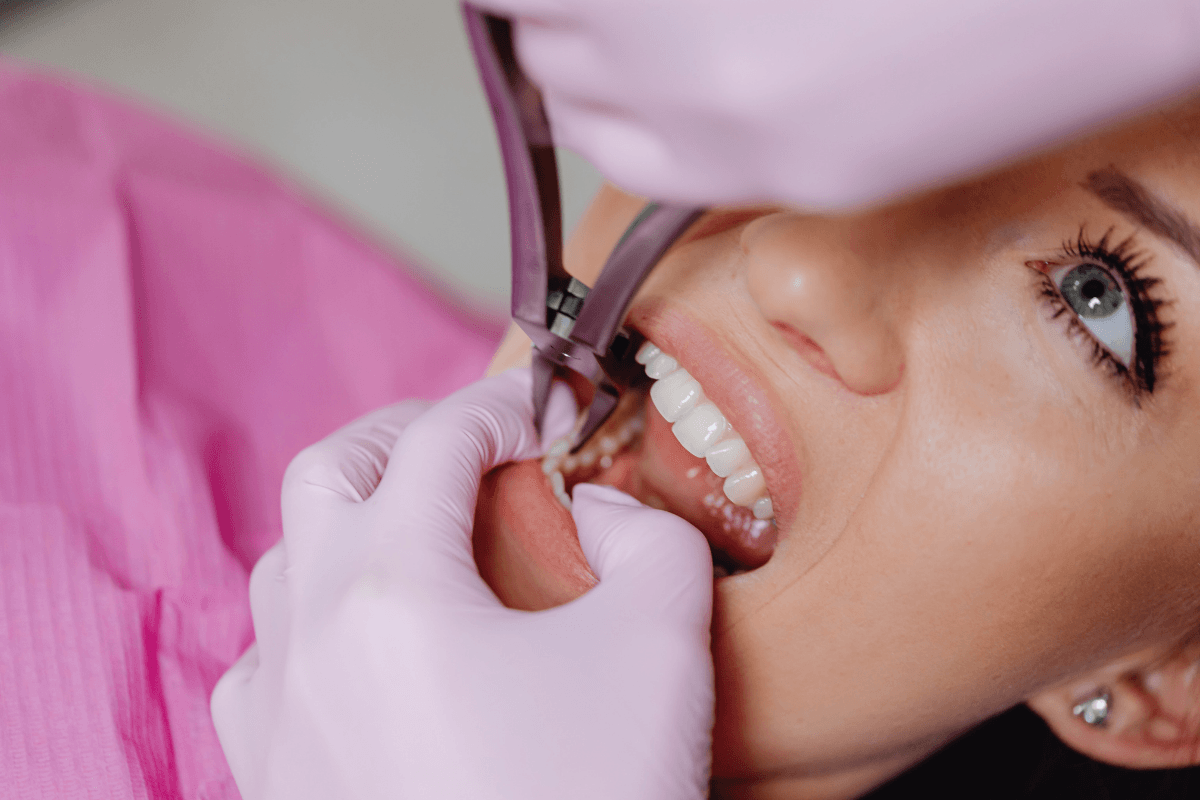
That is what most patients are really looking for when they search for a dentist in Simcoe Ontario or a trusted simcoe dentist. They want everyday dental care that is competent, honest, and accessible, because small problems handled early tend to stay small. And in dentistry, that is one of the best outcomes you can ask for.
Malo Family Dentistry — Business Info (NAP)
Name: Malo Family DentistryAddress: 100 Colborne St N, Simcoe, ON N3Y 3V1
Phone: +1-519-426-8155
Website: https://www.malodentistry.com/
Hours:
Monday: 7:30 AM – 12:00 PM; 1:00 PM – 5:00 PM
Tuesday: 7:30 AM – 12:00 PM; 1:00 PM – 5:00 PM
Wednesday: 7:30 AM – 12:00 PM; 1:00 PM – 5:00 PM
Thursday: 7:30 AM – 12:00 PM; 1:00 PM – 5:00 PM
Friday: 7:30 AM – 1:00 PM
Saturday: Closed
Sunday: Closed
Service Area: Simcoe, Ontario and Norfolk County
Open-location code (Plus Code): RMQV+G2 Simcoe, Norfolk, ON
Map/listing URL: https://maps.app.goo.gl/VBZ3Ygx4hjxW2vrf9
Embed iframe:
Socials (canonical https URLs):
Facebook: https://www.facebook.com/malodentistry/
https://www.malodentistry.com/
Malo Family Dentistry provides dental services for patients in Simcoe, Ontario and Norfolk County.
The clinic offers preventive care, cleanings, fillings, extractions, dental repairs, cosmetic dental work, dentures, mouthguards, and related dental services.
Patients can contact Malo Family Dentistry by calling +1-519-426-8155.
Hours listed are Monday to Thursday 7:30 AM–12:00 PM and 1:00 PM–5:00 PM, Friday 7:30 AM–1:00 PM, with Saturday and Sunday closed.
Malo Family Dentistry serves patients from Simcoe and surrounding Norfolk County communities.
For directions and listing details, use the map listing: https://maps.app.goo.gl/VBZ3Ygx4hjxW2vrf9
Popular Questions About Malo Family Dentistry
What dental services does Malo Family Dentistry provide?Malo Family Dentistry provides dental services including preventive care, cleanings, fillings, extractions, dental repairs, cosmetic dental work, dentures, mouthguards, and related care.
Where does Malo Family Dentistry serve patients?
Malo Family Dentistry serves Simcoe, Ontario and surrounding Norfolk County communities.
What are Malo Family Dentistry’s hours?
Monday–Thursday: 7:30 AM–12:00 PM and 1:00 PM–5:00 PM; Friday: 7:30 AM–1:00 PM; Saturday and Sunday closed.
Does Malo Family Dentistry list an email address?
No email address was provided. Contact the clinic by phone or through the website.
How can I contact Malo Family Dentistry?
Phone: +1-519-426-8155
Website: https://www.malodentistry.com/
Map: https://maps.app.goo.gl/VBZ3Ygx4hjxW2vrf9
Facebook: https://www.facebook.com/malodentistry/
Landmarks Near Simcoe, ON and Norfolk County
1) Norfolk County Fairgrounds2) Simcoe Recreation Centre
3) Downtown Simcoe
4) Norfolk Arts Centre
5) Port Dover Beach
6) Turkey Point Provincial Park
7) Long Point Provincial Park